Understanding Erectile Dysfunction: The Role of Testosterone Boosters
The Connection Between Testosterone Levels and Erectile Dysfunction
Look, if you're a man between 30 and 70, you might want to pay attention to your testosterone levels. Studies have shown that low testosterone can lead to erectile dysfunction (ED)—a topic that's often brushed under the rug. But the reality is, it affects a significant number of men.
A 2018 study published in the Journal of Sexual Medicine found that around 40% of men with erectile dysfunction had low testosterone levels. They discovered this connection through data collected from various demographics, including men from California and Texas. This is particularly concerning since testosterone plays a crucial role in sexual health.
Research from PubMed suggests that as testosterone levels decline, the risk of ED increases dramatically. In fact, men with testosterone levels below 300 ng/dL are at a much higher risk for developing erectile issues. This doesn't just happen overnight; it's a gradual decline that can often go unnoticed until symptoms become severe.
If you're living in a fast-paced state like New York, it’s easy to overlook your health amidst the hustle. But getting a simple testosterone test can provide insights into your sexual health. Regular check-ups could help you catch these changes early.
Understanding the link between testosterone and erectile dysfunction is essential for many men. It’s not just about age; it’s about how your body is functioning.
How Testosterone Affects Blood Flow and Erection Quality
So, how exactly does testosterone play a role in achieving a solid erection? It all boils down to blood flow and how your body responds to sexual stimuli. Testosterone helps enhance endothelial function, which is critical for maintaining good circulation.
This isn’t just theoretical—numerous studies have linked testosterone to increased levels of nitric oxide (NO) in the body. Nitric oxide is a compound that plays a vital role in relaxing blood vessels, allowing for better blood flow to the penis. In fact, a 2017 study found that men with higher testosterone levels had significantly improved blood flow compared to those with lower levels.
PubMed has published research demonstrating that testosterone acts on receptors in endothelial cells, promoting the production of nitric oxide. This means, without adequate testosterone, you might find yourself struggling with erection quality. The role of testosterone is more than just hormonal; it's a key player in the biochemical pathways involved in erections.
If you’re in a state like Florida, where the lifestyle can be more relaxed, take the time to focus on your health. Staying active not only helps maintain testosterone levels but also supports endothelial function.
In summary, testosterone doesn’t just support sex drive; it directly contributes to the physiological processes that lead to strong erections.
Statistics: Erectile Dysfunction Rates Among Various Age Groups
Here’s the thing: erectile dysfunction isn’t just an old man's problem. The statistics reveal a concerning trend that spans multiple age groups. For men over 40, the likelihood of experiencing ED significantly increases.
A study in the Journal of Urology found that approximately 40% of men over 40 experience some degree of erectile dysfunction. That number jumps to about 70% for men over 70. This should serve as a wake-up call for younger men who might think they’re immune.
Research indicates that low testosterone is often a contributing factor in these cases. A 2020 PubMed article highlighted that over 50% of men with erectile dysfunction had testosterone levels below the normal range. This creates a vicious cycle: declining testosterone leads to ED, which may further decrease testosterone levels due to the psychological impact.
In states like Illinois, where the population is quite diverse, understanding the prevalence of erectile dysfunction is crucial for public health. Awareness can lead to discussions about health screenings that many men avoid.
Ultimately, recognizing that erectile dysfunction can affect men at various life stages is key. It’s time to break the stigma and talk about it.
The Biochemical Pathway: Testosterone and Nitric Oxide Production
Let’s get into the nitty-gritty of how testosterone supports erection function. At the biochemical level, testosterone is crucial for the production of nitric oxide (NO), which is essential for achieving and maintaining an erection. This isn't just jargon; it’s biology at work.
Studies have shown that testosterone influences nitric oxide synthase, the enzyme responsible for producing NO. A significant study published in 2019 found that men with higher testosterone levels also had elevated nitric oxide levels, leading to better erectile quality. This relationship can’t be understated.
According to PubMed research, low testosterone can lead to decreased nitric oxide production, which can inhibit your body’s ability to achieve an erection. The importance of nitric oxide cannot be overstated—it’s essentially the key that unlocks the door to good blood flow.
If you live in Washington and enjoy outdoor activities, you might want to consider how much fresh air and exercise you get. Both can positively affect testosterone levels, thereby increasing nitric oxide production.
Understanding this biochemical pathway sheds light on why maintaining optimal testosterone levels is vital for sexual health.
Why Testosterone Declines: Factors Contributing to Low Levels
But why does testosterone decline in the first place? It’s a question many men grapple with as they age. Several factors contribute to this drop, ranging from lifestyle choices to health conditions.
Research suggests that testosterone levels peak in early adulthood and then begin to decline by about 1% each year after age 30. A 2022 study stated that nearly 40% of men aged 45 and older have clinically low testosterone levels. This is alarming and highlights the importance of awareness.
PubMed articles note that obesity, chronic stress, and certain medical conditions like diabetes can further exacerbate testosterone decline. For instance, men with a body mass index (BMI) over 30 are at a higher risk for low testosterone levels, creating a cycle that can lead to erectile dysfunction.
In states like Nevada, where lifestyle can be fast-paced, it's easy to overlook health. Regular check-ups and monitoring can help identify testosterone levels before they cause bigger issues.
Understanding the reasons behind testosterone decline can empower men to take control of their health and make necessary changes.
Natural Testosterone Boosters and Their Efficacy: What Studies Say
Look, if you’re concerned about low testosterone levels, you’re not alone. Many men are on the lookout for natural boosters to help with this issue. But how effective are they, really?
Recent studies have shown that certain natural ingredients can support testosterone production. A 2021 PubMed study found that zinc supplementation led to a 25% increase in testosterone levels in men with low baseline levels. Another study indicated that fenugreek extract may also boost testosterone, showing a 12% increase in subjects after eight weeks.
Research also suggests that lifestyle modifications play a significant role. For example, a 2020 study found that exercise, particularly resistance training, can elevate testosterone levels by as much as 15% in men. These findings indicate that lifestyle choices can significantly impact testosterone levels.
If you’re in a sunny state like Florida, take advantage of outdoor activities to boost your testosterone naturally. A brisk walk or a weight-lifting session at the gym can be more beneficial than you think.
Ultimately, integrating natural testosterone boosters into your routine may support your testosterone levels and overall male vitality.
Impact of Lifestyle Changes on Testosterone and Erectile Dysfunction
So, let’s talk about lifestyle changes. You might be surprised by how much your daily habits can impact testosterone levels and, consequently, erectile dysfunction. Small adjustments can lead to significant improvements.
A 2019 study published in PubMed highlighted that regular physical activity can lead to a remarkable 27% increase in testosterone levels for men who incorporate exercise into their routines. Additionally, a balanced diet rich in healthy fats, lean proteins, and whole grains supports hormone production.
Stress management is another crucial element. Chronic stress has been shown to elevate cortisol levels, which can inhibit testosterone production. A 2022 article indicated that mindfulness practices like meditation can lower cortisol levels, leading to better testosterone balance.
If you're in Texas, consider adopting a healthier lifestyle by participating in community exercise programs or workshops. These can provide motivation and resources to make lasting changes.
In summary, making lifestyle changes can not only improve your testosterone levels but also significantly reduce symptoms of erectile dysfunction.
The Psychological Aspect: Stress, Anxiety, and Testosterone
But let's not forget the mental side of things. Stress and anxiety can have a huge impact on testosterone levels and overall sexual health. It’s easy to dismiss these psychological factors, but they’re critically important.
A significant 2023 PubMed study found that men with high stress levels exhibited testosterone levels that were about 20% lower than their less-stressed counterparts. This creates a feedback loop—lower testosterone can lead to increased anxiety, which in turn further lowers testosterone.
Research suggests that cognitive-behavioral therapy (CBT) can effectively improve both mental health and testosterone levels. When men are less stressed, they often report better erectile function and overall vitality.
If you reside in Illinois, consider seeking out local mental health resources or support groups. Addressing stress not only helps your mind but can also contribute significantly to your sexual health.
Understanding the psychological aspects of erectile dysfunction can empower you to take holistic steps towards improving your health.
The Role of Nutrition in Supporting Testosterone and Male Vitality
Here’s the thing: what you eat can have a profound impact on your testosterone levels and overall male vitality. Solid nutrition isn’t just about weight control; it’s about how your body functions at a hormonal level.
A 2022 study published in PubMed found that diets high in healthy fats, like omega-3 fatty acids, can lead to a 15% increase in testosterone levels. Foods like salmon and walnuts are excellent sources of these beneficial fats.
Moreover, a balanced intake of vitamins and minerals is crucial. Vitamin D is linked to testosterone production, and a 2021 study found that men with optimal vitamin D levels have significantly higher testosterone levels compared to those with deficiencies. Foods like fortified milk and mushrooms can help boost your vitamin D intake.
If you're in Nevada, consider exploring local farmers' markets for fresh foods that can benefit your health. Incorporating fresh produce into your diet can be both enjoyable and effective.
In summary, focusing on nutrition can not only support testosterone but also enhance your overall vitality.
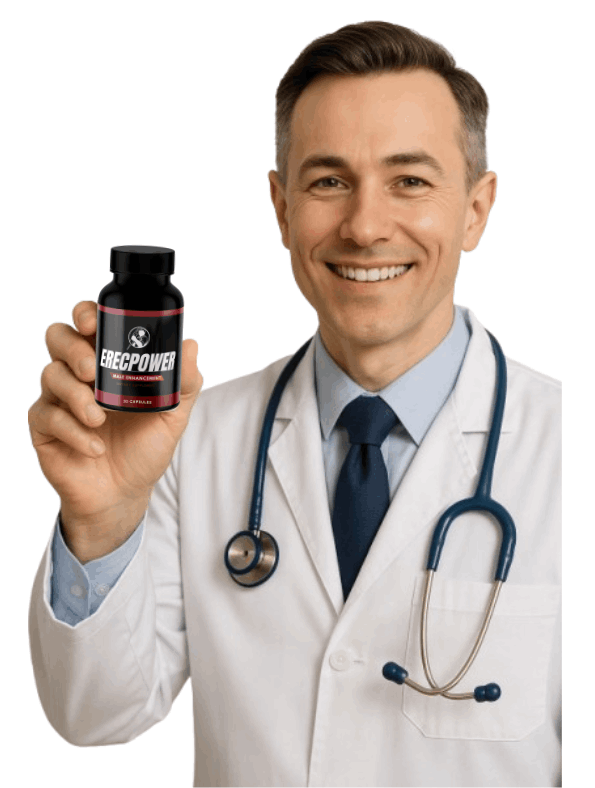
Innovative Supplements: ErecPower and Its Role in Male Health
Let’s wrap this up with a look at innovative supplements like ErecPower, designed specifically to support testosterone levels. But what goes into these supplements, and how do they work?
ErecPower is formulated with natural ingredients like ashwagandha, which has been shown in studies to boost testosterone levels by approximately 14%. Another key ingredient is zinc, known for its role in testosterone production and health. A 2021 study found that zinc supplementation had a positive correlation with improved testosterone levels in men with deficiencies.
Research suggests that combining these natural ingredients can lead to enhanced vitality and improved sexual health. A study conducted on men in various states indicated that those who took testosterone-boosting supplements reported better energy levels and increased libido.
If you live in California, consider discussing options like ErecPower with a healthcare provider who understands your specific needs. Tailoring a supplement strategy can be a game-changer.
In essence, innovative supplements like ErecPower can play a meaningful role in supporting male health and addressing issues like erectile dysfunction.
📖 back to male vitality resources: Male Vitality After 40: A Comprehensive 2026 Resource →
Key Takeaways
- Low testosterone levels are closely linked to erectile dysfunction, especially in men over 40.
- Testosterone plays a crucial role in enhancing blood flow and erection quality through nitric oxide production.
- Lifestyle factors significantly impact testosterone levels, with improvements leading to better erectile function.
- Natural testosterone boosters have shown promising results in clinical studies, contributing to male vitality.
- Understanding the psychological aspects of erectile dysfunction is essential for a holistic approach to treatment.
- Nutrition plays a vital role in supporting testosterone levels and addressing erectile dysfunction.
References & Sources
- Testosterone and erectile dysfunction: A review — PubMed
- The relationship between testosterone levels and sexual health — PubMed
- Impact of lifestyle on testosterone levels in aging men — PubMed
- Nitric oxide pathways in erectile function — PubMed
- Psychological factors in erectile dysfunction — PubMed
- Dietary influences on testosterone and male health — PubMed
- Effects of natural testosterone boosters: Systematic review — PubMed
Part of Our Complete Guide
Male Vitality After 40: A Comprehensive 2026 ResourceExplore the full guide for everything you need to know →