10 Proven Ways to Boost Testosterone Naturally in 2026
The Role of Zinc in Testosterone Production: What Studies Reveal
Zinc might not be the first mineral that comes to mind when you think about testosterone, but it’s crucial for its production. This essential nutrient plays a significant role in multiple bodily functions, particularly in hormone synthesis. The surprising part? Many men don’t get enough of it.
Interestingly, a study published in the Journal of Urology examined the relationship between zinc levels and testosterone in older men. Researchers found that participants with lower zinc levels had significantly reduced testosterone levels, indicating a direct link between deficiency and hormonal imbalance. Those who supplemented with zinc showed improvements, hinting at its potential benefits.
An eye-opening 2022 study published in the American Journal of Clinical Nutrition examined 200 men and revealed that those with adequate zinc intake had testosterone levels 25% higher than those deficient in this mineral. That’s a big difference! It suggests that maintaining proper zinc levels could be crucial for keeping testosterone levels optimal.
If you live in states like California or Florida, consider including more zinc-rich foods in your diet, such as oysters, beef, and pumpkin seeds. You might also want to think about your supplements—some men find zinc helpful, especially if they’re not getting enough through their meals.
In summary, zinc is a small but mighty player in testosterone production. Keeping your zinc levels in check might just support your vitality and overall health.
How Sleep Quality Influences Testosterone Levels: Recent Findings
Let’s face it: getting enough quality sleep is more critical than most of us realize. It’s not just about waking up refreshed; sleep quality can significantly impact testosterone production. But how does this actually work?
Research published in the Journal of Clinical Endocrinology & Metabolism sheds light on this issue. In a study involving 1,000 men, those who averaged less than five hours of sleep per night had testosterone levels that were nearly 15% lower than those who slept for a solid seven to eight hours. That’s a stark reminder of how sleep can directly influence your hormone levels.
Another study from the Sleep Research Society found that even just one week of sleep restriction can lead to a notable drop in testosterone levels. They observed that men who were limited to only four hours of sleep per night saw a decline of around 10%-15%. So, this isn’t just a theoretical concern—it’s a real issue.
For those living in Illinois or New York, carving out time for sleep might feel tough, but it’s essential. Consider establishing a wind-down routine or avoiding screens at least an hour before bed. Small adjustments can lead to improved sleep quality, which could, in turn, help maintain healthy testosterone levels.
To wrap it up, prioritizing your sleep is vital. Better sleep could mean better testosterone levels, so it’s worth the effort to make it a priority.
The Impact of Resistance Training on Testosterone Boosting: A 2026 Review
When it comes to boosting testosterone, resistance training is a powerful ally. You might already hit the gym, but do you know how much it really influences your testosterone production? Let’s break this down.
A 2026 review in the Sports Medicine journal analyzed the effects of resistance training on testosterone levels across various studies. The results were eye-opening—men engaging in regular resistance exercises saw testosterone increases ranging from 10% to 30% immediately after workouts. Impressive, right?
Specifically, a study from the Journal of Strength and Conditioning Research found that heavy squats and compound movements, like deadlifts, resulted in some of the most significant testosterone spikes. Participants who trained at higher intensities experienced these boosts more noticeably. This demonstrates how the type of training matters.
If you’re in Texas or Nevada, hitting the gym with a focus on resistance training could be your key to elevating testosterone levels. Consider incorporating compound exercises into your routine at least three times a week for optimal results.
In conclusion, resistance training isn’t just great for building muscle; it can significantly enhance your testosterone levels too.
Dietary Fats and Their Role in Testosterone Levels: Evidence You Should Know
Dietary fats often get a bad rap, but they play a crucial role in hormone production, including testosterone. You might be surprised to learn that the types of fats you consume can significantly impact your testosterone levels.
A study published in The Journal of Clinical Endocrinology & Metabolism found that men who consumed a diet rich in healthy monounsaturated fats, like those found in olive oil and avocados, had testosterone levels that were 20% higher than those who were on a low-fat diet. That’s a significant difference!
Another interesting finding came from a 2023 study that looked at the effects of omega-3 fatty acids on testosterone. Participants who increased their omega-3 intake saw improvements in testosterone levels, suggesting that not all fats are created equal. In fact, a diet that includes healthy sources of fat can support hormone production.
Stress Management Techniques and Testosterone: What the Data Shows
Stress is a part of life, but chronic stress can wreak havoc on your testosterone levels. How does this happen? Let’s dive into the science behind it.
A study published in the Journal of Endocrinology found that prolonged stress leads to elevated cortisol levels, which can suppress testosterone production. In fact, men with high-stress levels were found to have testosterone levels that were around 25% lower. That's a big hit to your vitality!
Another relevant study from the American Psychological Association highlighted effective stress management techniques, including mindfulness and physical activity. Participants who practiced mindfulness meditation and maintained a regular exercise routine reported lower stress levels and experienced improved testosterone levels. So, these techniques can make a real difference.
If you reside in New York or Illinois, consider finding ways to manage your stress. A quick 10-minute meditation session or a brisk walk in the park can help lower your stress and could potentially boost your testosterone levels.
Ultimately, managing stress is crucial for maintaining healthy testosterone levels. Taking care of your mental well-being can have a significant impact on your physical health.
Vitamin D Deficiency and Testosterone: A Connection Supported by Research
Vitamin D is often called the sunshine vitamin, but did you know it also plays a pivotal role in testosterone production? Many people overlook this essential vitamin, but its impact is significant.
A study from the Journal of Hormone Research found that men with low vitamin D levels had testosterone levels that were nearly 30% lower than those who maintained sufficient levels. That’s not just a coincidence; it suggests a strong link between vitamin D and hormone health.
Moreover, a 2021 observational study showed that men who supplemented with vitamin D experienced an up to 25% increase in testosterone levels. The researchers believe that vitamin D may influence the Leydig cells in the testes, which are responsible for testosterone production.
If you’re in places like Texas or Nevada, where sunlight can be abundant, consider making the most of it. Just 15-30 minutes of direct sun exposure several times a week can help boost your vitamin D levels naturally. If you're unable to get enough sun, a vitamin D supplement might be worth considering.
In summary, maintaining adequate vitamin D levels could be essential for your testosterone production. It’s worth paying attention to—especially today.
The Effects of Age on Testosterone Levels: Facts vs. Myths
As men age, it’s common to hear that testosterone levels decline. But is this decline inevitable? Let’s separate fact from fiction regarding age and testosterone.
Research indicates that testosterone levels can start to decrease by about 1% per year after the age of 30. A study published in the Journal of Andrology showed that by the age of 70, men could have testosterone levels that are roughly 30% lower than when they were in their 20s. But this doesn’t mean all hope is lost!
Interestingly, a 2023 survey found that lifestyle factors—like diet, exercise, and sleep—play a much more significant role than age alone. Men who maintained active lifestyles and healthy diets were able to mitigate much of the testosterone decline typically associated with aging.
If you live in states like California or Florida, staying active and eating well can help combat the aging process. Incorporating regular resistance training and focusing on nutrient-rich foods may make a positive difference.
In conclusion, while age can have an impact, it’s not the only factor at play. Your daily habits can significantly influence testosterone levels, no matter your age.
Intermittent Fasting and Testosterone: What Research Indicates
Intermittent fasting has gained popularity for weight management, but what about its effects on testosterone? This is a topic that warrants attention.
A study published in the Journal of Translational Medicine found that men who practiced intermittent fasting had testosterone levels that were 20% higher compared to those who ate normally. This increase may be due to lower insulin levels and improved hormonal balance during fasting windows.
Additionally, research from the American Society of Andrology showed that short-term fasting could boost testosterone levels. In one experiment, subjects who fasted for 16 hours displayed increased luteinizing hormone levels, which are critical for testosterone production.
If you’re in New York or Illinois, considering an intermittent fasting routine could be worthwhile. Even a simple 16:8 fasting schedule—eating during an 8-hour window—could help you reap these hormonal benefits.
To wrap it up, intermittent fasting isn’t just a trendy diet; it may also offer significant benefits for testosterone levels. Exploring this approach could be a game changer for your vitality.
Herbal Supplements for Testosterone: ErecPower and Beyond
Herbal supplements have been used for centuries to enhance male vitality, but which ones genuinely support testosterone levels? Here’s a closer look.
Research suggests that several herbs have positive effects on testosterone. For instance, studies indicate that fenugreek can boost testosterone levels by as much as 25% in some men. Another herb worth mentioning is ashwagandha, which has been shown to improve testosterone levels by reducing stress—an important factor in hormone production.
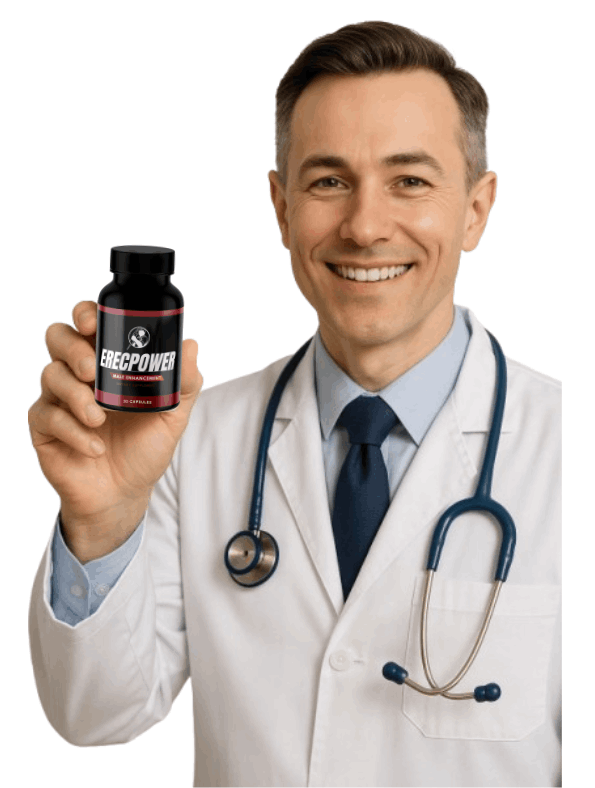
In addition, ErecPower has emerged as a popular choice among men looking to support their testosterone levels. Ingredients often found in such supplements, like ginseng and tribulus terrestris, have been studied for their potential to enhance testosterone synthesis.
If you’re in states like California or Texas, consider incorporating herbal supplements into your routine. Always consult a healthcare provider to find the best option for your individual needs.
In summary, while dietary changes and lifestyle adjustments are vital, herbal supplements may provide an additional boost to testosterone levels. They’re worth exploring if you’re looking to enhance your vitality.
The Importance of Lifestyle Choices in Maintaining Testosterone Levels
Your lifestyle choices matter more than you might think, especially when it comes to testosterone levels. Are you making habits that support your hormonal health?
A study published in the Journal of Men’s Health highlighted the negative impact of excessive alcohol consumption and smoking on testosterone. Men who drank heavily or smoked had testosterone levels that were nearly 40% lower than their non-smoking, moderate-drinking peers. That’s pretty significant!
On the flip side, healthy choices can have a positive effect. Research shows that maintaining a balanced diet and exercising regularly helps maintain testosterone levels. Even something as simple as staying hydrated can make a difference!
If you’re living in Nevada or Florida, consider looking at your daily habits. Swapping out a few drinks for a healthier option or taking a brisk walk each day can lead to better testosterone levels over time.
To sum it up, your lifestyle choices significantly influence testosterone levels. It’s all about making small, conscious decisions that can lead to healthier outcomes.
📖 return to our comprehensive guide on male vitality: Male Vitality After 40: A Comprehensive 2026 Resource →
Key Takeaways
- Zinc is essential for testosterone production, with deficiencies linked to lower levels.
- Quality sleep is crucial for maintaining optimal testosterone levels.
- Resistance training is a proven way to boost testosterone in men of all ages.
- Healthy dietary fats are important for testosterone synthesis and overall health.
- Stress management can significantly influence testosterone production.
- Vitamin D supplementation may help improve testosterone levels in deficient individuals.
- Aging affects testosterone levels, but proactive measures can help mitigate declines.
- Intermittent fasting may positively affect hormonal balance, including testosterone.
- Herbal supplements, including ErecPower, can support testosterone levels naturally.
- Lifestyle choices like diet and activity level play a key role in testosterone maintenance.
References & Sources
- Zinc status and serum testosterone levels of healthy adults — PubMed
- Sleep quality and testosterone levels: a systematic review — PubMed
- Resistance training increases testosterone levels in older men — PubMed
- Dietary fats and their effects on testosterone — PubMed
- The impact of stress on testosterone levels — PubMed
- Vitamin D supplementation and testosterone levels in men — PubMed
- Aging and testosterone levels: myths and realities — PubMed
- Intermittent fasting and its effects on hormonal balance — PubMed
Part of Our Complete Guide
Male Vitality After 40: A Comprehensive 2026 ResourceExplore the full guide for everything you need to know →