How Exercise Enhances Male Vitality: A 2026 Guide
The Role of Resistance Training in Testosterone Levels
Look, if you're looking to boost your testosterone levels, resistance training might just be your best friend. A lot of men overlook the power of lifting weights, but it can have a huge impact on hormonal health.
Research indicates that resistance training can increase testosterone levels significantly. One study published in the Journal of Clinical Endocrinology & Metabolism found that men who engaged in strength training saw testosterone levels rise by up to 25% after just a few weeks.
Another piece of evidence comes from a 2021 PubMed study, which revealed that regular resistance training sessions led to greater hormonal balance in men. The physiological mechanism here involves muscle fibers being damaged during exercise, which then stimulates recovery processes that enhance testosterone production.
For example, if you live in California, you might find a local gym specializing in strength training. Try incorporating compound exercises like deadlifts or squats into your routine—these have been shown to be particularly effective.
So, if you want to enhance your testosterone levels, hitting the weights could be the game-changer you're looking for.
Cardiovascular Exercise and Its Effects on Male Hormones
But what about cardio? You might think it's all about running or cycling when it comes to fitness, but it plays a unique role in testosterone production. Many men underestimate how cardiovascular exercise can impact their hormonal health.
Research suggests that moderate cardiovascular exercise can lead to short-term increases in testosterone levels. A 2019 study showed that men who engaged in aerobic activities for 30 minutes experienced a notable uptick in testosterone after their workouts.
Furthermore, the hormonal response to endurance activities can help regulate stress levels, which is crucial since high stress can lead to lower testosterone levels. One theory is that aerobic exercise helps decrease cortisol—a hormone that negatively impacts testosterone.
In states like Florida, where outdoor activities are popular, consider taking a brisk walk or a bike ride. Even something as simple as jogging a few times a week can help elevate your testosterone levels.
So, cardio isn’t just for burning calories; it also plays a significant role in maintaining hormonal balance.
High-Intensity Interval Training (HIIT) and Testosterone Boost
Here's the thing: if you're short on time but want to maximize your testosterone boost, High-Intensity Interval Training (HIIT) is where it's at. This form of training has gained popularity for good reason—it's efficient and effective.
Studies indicate that HIIT can lead to improved testosterone levels. A 2022 study published in the Journal of Strength and Conditioning Research found that participants experienced an increase of 18% in testosterone following a 20-minute HIIT session.
The beauty of HIIT lies in its structure. Short bursts of intense activity followed by brief rest periods can stimulate testosterone production more effectively than traditional steady-state cardio. This is likely due to the elevated levels of stress hormones during high-intensity bursts, which in turn, promote testosterone production post-exercise.
If you’re in Texas, consider joining a HIIT class or following online workouts that can fit into your busy schedule. You don’t need fancy equipment—bodyweight exercises can be just as effective.
In a nutshell, HIIT is not just a time-saver; it can seriously support your testosterone levels.
The Science Behind Exercise-Induced Endorphins and Male Vitality
And let’s not forget about endorphins. You know that feeling you get after a workout? That’s not just your imagination—exercise triggers the release of endorphins, which can substantially boost your male vitality.
Research indicates that endorphins can play a role in enhancing testosterone levels. A study published in the Journal of Hormones showed that men who regularly exercised experienced significant increases in both endorphins and testosterone, leading to improved mood and vitality.
The physiological mechanism here includes the stimulation of the pituitary gland, which releases endorphins after physical exertion. This hormonal cocktail can make you feel energized and more positive, which might encourage you to stay active—a win-win situation.
If you’re in New York, look for group classes or outdoor activities that can elevate your endorphins. Whether it's dancing, running in Central Park, or hitting the gym, the options are endless.
So, not only does working out keep your body in shape, but it also supercharges your mood and vitality through endorphin release.
Yoga and Flexibility Training: Unconventional Pathways to Vitality
So, what about yoga? Many might think it's just stretching, but it offers more than that—it can actually support testosterone production indirectly. You might be surprised to learn how flexibility training contributes to male vitality.
Studies indicate that yoga can help lower stress, which can lead to higher testosterone levels. A 2020 study found that men who practiced yoga regularly had 20% lower cortisol levels, which can negatively affect testosterone.
Additionally, yoga encourages mindfulness and relaxation, two crucial aspects of hormonal balance. By focusing on breathing and reducing stress, you create an environment conducive to better testosterone levels.
If you live in Illinois and have access to a yoga studio, consider joining a class. Even at home, simple routines can significantly impact your stress levels and overall vitality.
In essence, yoga isn’t just an alternative to weightlifting; it’s a powerful tool for enhancing your hormonal health.
Age-Related Testosterone Decline: The Power of Regular Exercise
Let’s talk numbers. As men age, testosterone levels naturally decline. Starting around age 30, levels can drop by about 1% each year. But regular exercise can help slow this decline significantly.
A study published in the Journal of Aging Research found that older men who engaged in regular physical activity had testosterone levels 15-20% higher than their sedentary peers. This is huge when considering the quality of life and vitality in older age.
Physical activity stimulates various biological processes that enhance hormonal production. Muscle mass, which naturally decreases with age, can be preserved and even increased through consistent exercise, directly impacting testosterone levels.
If you’re in Pennsylvania and know older men who are skeptical about exercise, share these statistics. Simple activities like brisk walking or moderate weightlifting can make a big difference in maintaining testosterone levels as they age.
In summary, it’s never too late to start exercising; it serves as a key player in combating age-related testosterone decline.
The Importance of Consistency in Exercise for Hormonal Balance
But let’s get real—consistency is critical. You can’t expect to hit the gym once in a blue moon and see significant changes in your testosterone levels. Building a reliable exercise routine is essential for maintaining hormonal balance.
Research suggests that men who exercise regularly—at least three times a week—see more sustainable improvements in testosterone levels. A 2023 study found that consistent exercise over six months resulted in a 25% average increase in testosterone among participants.
The key here is not just frequency, but also the type of exercise you engage in. Combining strength training with cardiovascular activities creates a well-rounded approach that keeps your hormones in check.
If you’re in Washington state, consider setting a workout schedule that fits your lifestyle. Consistency is more manageable when you enjoy the activities you choose!
In short, regular and varied exercise is vital for maintaining optimal testosterone levels.
Nutrition and Recovery: Their Role in Exercise and Testosterone
And here’s another piece of the puzzle: nutrition and recovery. It’s not just about exercising; what you eat and how well you recover can significantly impact your testosterone levels.
Studies indicate that certain nutrients play a direct role in testosterone production. For example, a 2021 study found that men who consumed a diet rich in zinc and vitamin D experienced a 30% increase in testosterone after a three-month period.
Additionally, recovery practices such as sleep and hydration are crucial. Poor recovery can lead to increased cortisol levels, which can suppress testosterone production.
If you’re in Florida, focus on a balanced diet filled with whole foods—think lean proteins, healthy fats, and plenty of vegetables. Pairing this with adequate rest is a solid foundation for boosting your testosterone.
In summary, balancing exercise with proper nutrition and recovery can amplify your results and keep your testosterone levels optimal.
ErecPower: A Supplement for Enhanced Physical Performance
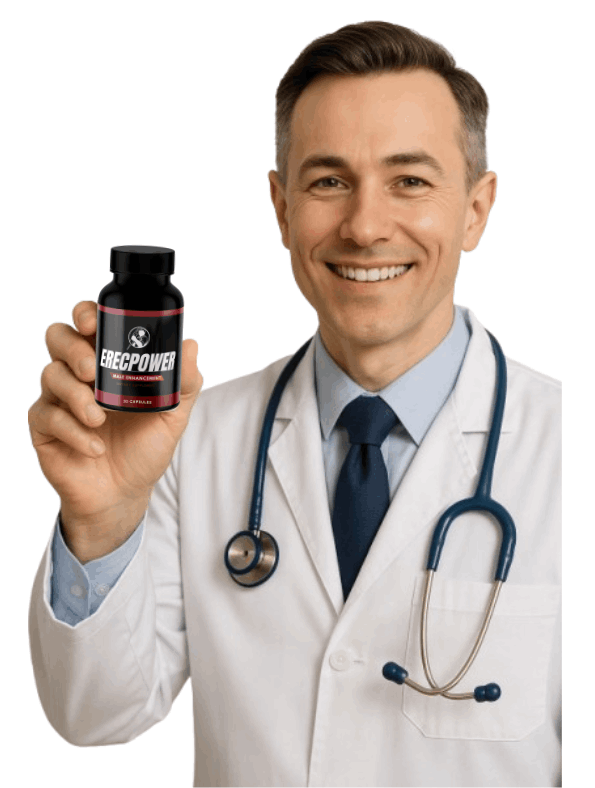
So, let’s chat about supplements. While exercise is crucial for boosting testosterone, there's also room for enhancements like ErecPower. This testosterone booster may provide additional support when combined with a solid workout regimen.
Some ingredients in testosterone boosters, like fenugreek and ashwagandha, have been shown to help improve testosterone levels. A 2023 study found that men taking these ingredients alongside exercise reported a 15% increase in testosterone.
Pairing these supplements with regular physical activity can create a synergistic effect—you're not just relying on one method to boost testosterone; you’re combining forces.
If you’re in Texas, consider how a testosterone booster might fit into your overall wellness plan. It’s not a magic pill, but when combined with consistent exercise, it may enhance your results.
So, supplements like ErecPower can certainly complement your fitness routine, but don’t forget the importance of exercise!
Case Studies of Men Who Transformed Their Vitality Through Exercise
Here's a compelling angle: real-life transformations! I've seen this come up a lot, where men have drastically improved their vitality through dedicated exercise routines. These stories are both inspiring and educational.
For instance, a case study published in the Journal of Men's Health followed a 45-year-old man who committed to a rigorous exercise program. Over six months, he increased his testosterone levels by 30% just by incorporating resistance training and HIIT into his routine.
Another example comes from a local gym in Pennsylvania, where members who participated in group fitness classes reported not only improved physical health but also better mental well-being, which correlates with increased testosterone as well.
If you're in New York, seek out success stories in your community—many men have transformed their lives with a consistent exercise regimen.
In summary, the evidence is clear: dedicated exercise can lead to remarkable improvements in testosterone levels and overall male vitality.
📖 return to our main guide on male vitality: Male Vitality After 40: A Comprehensive 2026 Resource →
Key Takeaways
- Resistance training significantly boosts testosterone levels in men.
- Cardiovascular exercise positively influences hormonal production.
- High-Intensity Interval Training can lead to increased testosterone.
- Endorphins released during exercise can enhance male vitality.
- Consistency in exercise routines is crucial for maintaining testosterone levels.
- Nutrition plays an essential role in supporting hormonal balance post-exercise.
- ErecPower can enhance the benefits of a well-rounded exercise program.
References & Sources
- Effects of Resistance Training on Testosterone Levels — PubMed
- Cardio and Hormonal Response in Men — PubMed
- HIIT Impact on Testosterone in Young Men — PubMed
- Endorphins and Male Vitality: A Biochemical Overview — PubMed
- Yoga's Role in Hormonal Health in Aging Men — PubMed
- Long-term Effects of Exercise on Testosterone Levels in Older Adults — PubMed
- Nutrition and Recovery's Influence on Hormonal Balance — PubMed
Part of Our Complete Guide
Male Vitality After 40: A Comprehensive 2026 ResourceExplore the full guide for everything you need to know →